
Check out this post… “How Memory Work| “.
5 year old Black girl asks US Police officer”Are you gonna shoot us”
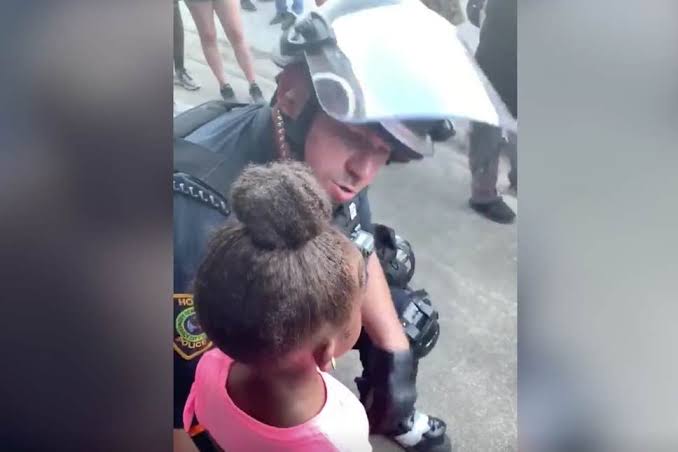
The girl in a vedio which gone viral was in the George Floyd’s protest with her parents and she asked a police officer’ are you gonna shoot us’ the police officer responded that we are not here to hurt you..you can protest,you can party, you can do whatever you want ..just don’t break anything..
Joe Biden’s Muslim state of exception
Joe Biden has to commit to go beyond lifting the Muslim ban to address discriminatory policies Muslim communities face.
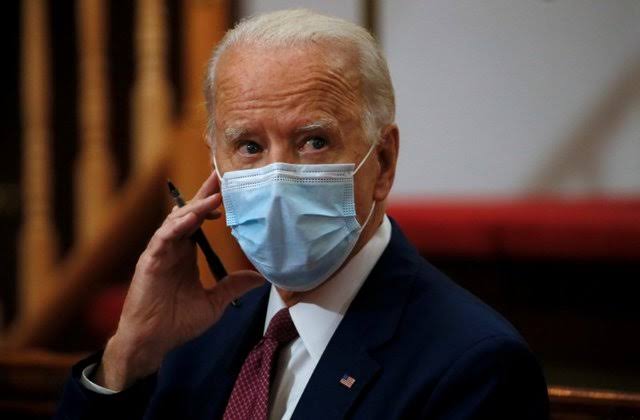
The COVID-19 pandemic has led many communities in the US, especially those on the margins who are particularly vulnerable to the consequences of national politics and bear the brunt of structural state violence, to rethink political engagement. Muslim Americans, who have been politically energised in new ways since 2016, are among these communities.
Last month, one prominent Muslim group, Emgage PAC – which calls itself the largest Muslim American federal political action committee – endorsed J. Biden for president. “As president, I will stand up for Muslim communities across the country, immediately repeal Donald Trump’s Muslim ban and embrace diversity as a core strength of our nation, not demonise it,” Biden proclaimed shortly after being endorsed.
These words may seem comforting but they fall terribly short. The Muslim American community should take Biden’s promises with a pinch of salt and scrutinise his political record on issues that have disproportionately negative effects on its members.
One of these issues is the “state of exception,” ie, when a state exercises its sovereign powers under an emergency situation to implement policies (ostensibly for the public good) that it otherwise would not under normal circumstances. Amid the COVID-19 pandemic, these policies could include the use of data collection and face surveillance to curb the spread of the virus, raising questions about civil liberties and privacy rights.
George Floyd
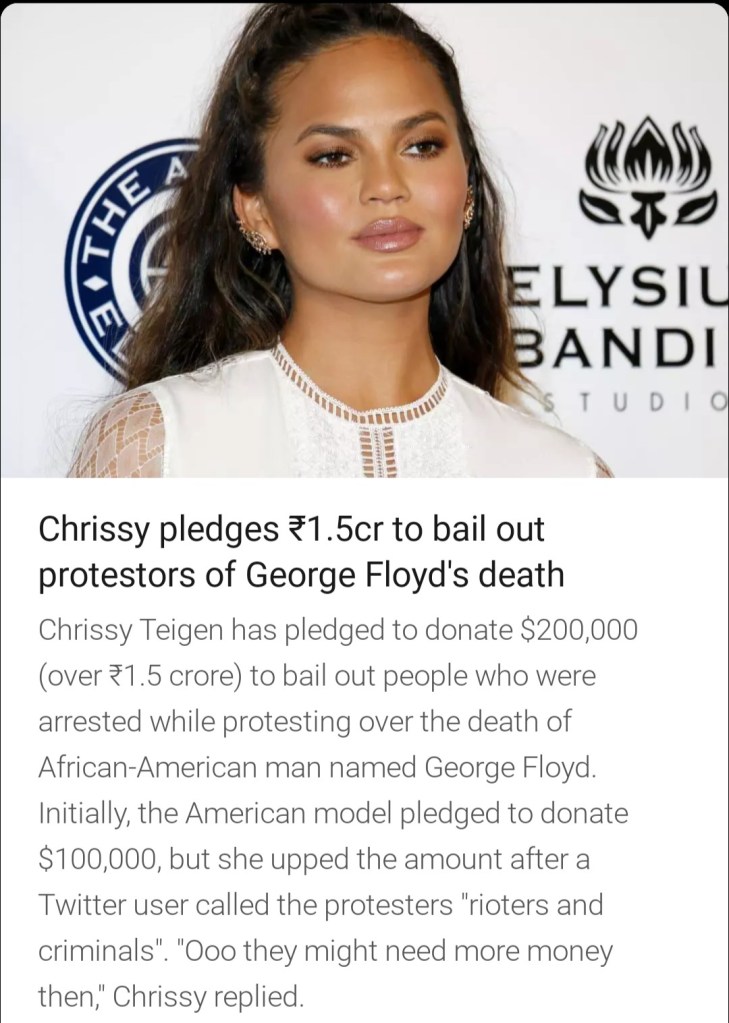
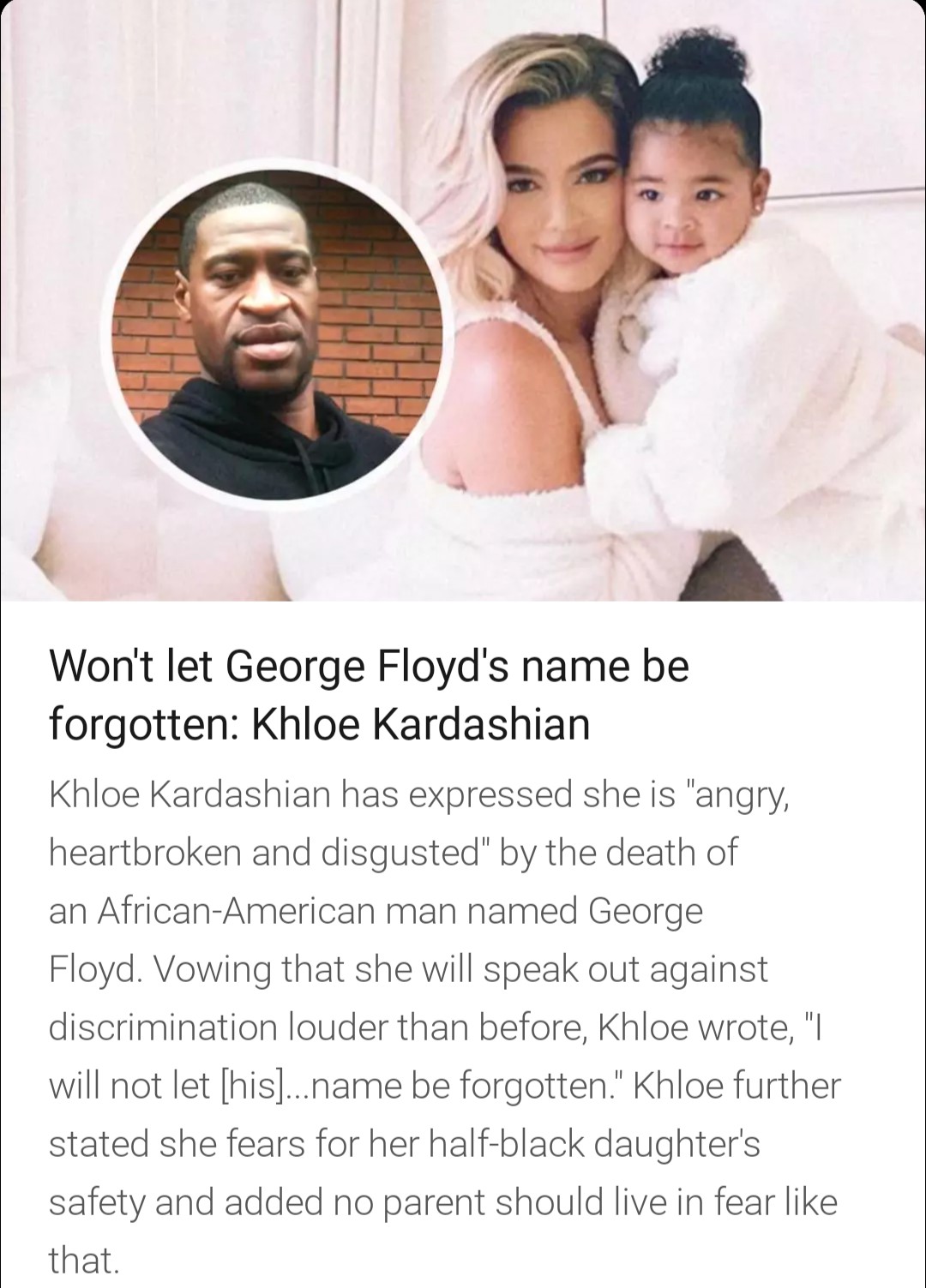
George Floyd
The Journey Begins
Thanks for joining me!
Good company in a journey makes the way seem shorter. — Izaak Walton

 Catchy kid